By the time the Category 5 hurricane clawed its way over our block, the house no longer sounded like a house. It sounded like a ship somebody had forgotten how to save—joists groaning, windowpanes ticking under pressure, the roof taking long, violent breaths above my head. Rain struck the kitchen glass sideways, not in drops but in hard silver sheets, and every few minutes the sky flashed white enough to show me the whole room in negative: the fruit bowl, the dog’s water dish, my own hands clenched on the counter.
At 1:17 a.m., the transformer at the end of the street blew in a burst of green and blue, and the neighborhood dropped into a darkness so complete it felt physical, like velvet shoved over my face. The refrigerator gave one soft dying sigh. The air conditioner quit. From somewhere beyond the wind, I heard somebody yell, then nothing but the storm chewing on fences and gutters.
I was not a prepper, or at least that was the lie I had told myself for years. I was just a man who wanted to live comfortably if a crazy storm ever came, the same way some people buy flood insurance and call it prudence instead of fear. A friend from Sonoma County had once told me about the Tubbs fire—ten days without power, whole streets lit by candles, a few houses coughing along on gas generators, one or two lucky families with solar and batteries while everybody else learned what real night looked like. After hearing that, Emergency Preparedness stopped sounding theatrical and started sounding like adulthood.
My wife had laughed when she caught me labeling extension cords and fuel cans in the garage. “Go look in a mirror and admit it,” she’d said. “You’ve become one of those people.” She wasn’t wrong. The generator under the back overhang was the result of dull, unromantic things—Financial Planning, Expert Advice from a licensed electrician, and the sober understanding that Insurance Coverage would not magically keep insulin cold, the sump pump running, or our phones alive if the grid stayed dead for days.
I only wanted the house to keep breathing.
So I dragged the machine into place, checked the transfer switch by flashlight, and yanked the cord until the engine barked awake. Gasoline fumes rose hot and sharp through the wet smell of mulch and split pine, catching in the back of my throat. This wasn’t for some noble neighborhood beer party after the apocalypse. It was survival with a pull-start. And for a few hours, under that ugly mechanical hum, I thought I had gotten ahead of the storm.
Just before dawn, the generator changed its voice. It had been holding a steady, chest-deep rumble all night, but now there was a strain in it, a thin metallic whine riding under the engine note like a bad thought. The lamp in the hallway flickered once, then again. I smelled hot plastic—faint at first, then unmistakable, the scent of insulation warming past where it should ever go.
I grabbed a flashlight and stepped outside into rain so cold it felt needled, each drop pricking my cheeks and eyelids. The yard looked drowned. Patio chairs lay upside down in the grass, the fence shuddered under gusts, and runoff braided through the flower beds in muddy streams. For a few seconds I thought maybe water had gotten into the outlet box, or maybe the transfer load was off, or maybe my own panic was making me stupid.
Then my beam caught on something black and wet running low along the side of the house.
It was an extension cord.
Not mine. Not where I had left anything. It came from the weather cover on the exterior outlet beneath our back window, the gasket bent wrong like somebody had opened it in a hurry, and the cord itself lay in the waterlogged mulch like a vein somebody had pulled out of my wall. I crouched, rain pouring off the hood of my jacket, and touched it with two fingers. It was warm.
Warm.
I followed it through the narrow strip between our houses, my shoes sucking at the mud, my heartbeat banging hard enough that I could feel it in my teeth. All around us, the block was mostly dark—candles trembling in two windows across the street, one old couple running a small gas generator from a carport, and farther down the road a single soft-lit home running on solar and batteries like a tiny island of civilization. But my neighbor’s place was brighter than it had any right to be.
Through the slit in his blinds, I saw blue television light washing over the walls. A standing fan turned lazily in the living room. And in the dining room sat a second refrigerator, its white interior glowing every time the door opened, bottles lined up inside as if he were stocking a bar in the middle of the disaster.
My fuel. My machine. His comfort.
Then the front door latch clicked behind the curtain, and I realized he had been watching me the whole time.
He stepped onto the porch barefoot, rain glossing his shoulders and running in streams down his chest, and even through the storm I caught the yeasty smell of beer coming off him. Not panic. Not sweat. Beer. Behind him, the fan kept turning, and that blue television light pulsed against the walls of his house like a taunt.
“You seriously going to cut that?” he shouted over the wind, as if I were the one violating some sacred code.
I held up the cord. Water dripped from it in steady ticks onto his porch boards. “You plugged into my house.”
He gave a shrug so casual it made my vision tighten at the edges. “You had plenty. Half the street’s dark.”
That was the moment something in me went hard and clean. Because he was right about one thing: half the street was dark. Half the street had candles guttering on countertops, dead phones, warm refrigerators, and the stunned look people get when they mistake wishing for preparation. I had spent two seasons buying fuel a little at a time, checking loads, testing the transfer switch, storing batteries, and learning exactly what this machine could carry. I had not done all that so the man next door could run a fan on his bare chest and keep his drinks cold.
Power becomes currency in a disaster. You can feel it when the grid dies. Every gallon starts to look like time itself.
“There are eighteen gallons left in my shed,” I told him, and my own voice sounded strange to me—flat, almost calm. “That’s keeping our food safe, our phones alive, and water out from under the house. If you want to turn this into a Legal Rights argument, you can do it when emergency services are actually answering calls.”
He took one step closer anyway, his face slick with rain and fury. “Neighbors help neighbors,” he said, low now, the way men speak when they want to sound righteous and threatening at the same time.
I bent down and pulled the plug.
The fan inside his house slowed with a mosquito whine. The television snapped to black. For one second the only sound left was the hurricane grinding over us and the blood pounding behind my ears. He stared at me as if I had struck him in the mouth.
Then he said the one sentence designed to make any decent person hesitate—and I knew the storm outside was no longer the most dangerous thing on my property.
The West African Warning
He said there was medicine in their refrigerator, and the words caught under my ribs like barbed wire. Rain dripped off the end of his nose onto my floorboards. His T-shirt was plastered to his chest, the fabric dark and slick, and somewhere behind him the hurricane kept dragging its nails across the siding in long, ugly shrieks. For half a second, I hated myself for even thinking about saying no.
Then an old warning came back to me so sharply it might as well have been spoken into my ear.
Years earlier, while reporting in West Africa during a season of brutal outages, an electrician in Accra told me something I never forgot: the only house with power during a crisis stops being a house in other people’s minds. It becomes a resource. Then it becomes an argument. Then it becomes a target. He said generosity is noble right up until the moment people start treating your generator like public infrastructure. I remembered the smell of diesel on that street, the way every distant engine note made heads turn.
“Community matters,” he told me. “But limits matter first.”
That wasn’t cynicism. It was survival. And I had heard versions of the same truth closer to home after Hurricane Helene tore through western North Carolina. One man told me he had prepared for everything except the tree that crushed his vehicle flat, and suddenly his whole plan depended on rides from friends and strangers just to check on family. Other people lost entire homes to flooding, trees, mudslides. Community and self-sufficiency weren’t opposites for them; they were two hands washing the same wound.
But another voice kept pace beside that one: a prepper I respected who said all the expensive gear in the world means nothing if you never test it, because experience matters in survival. Stage two, he said, is the real exam—no water, no electricity, no phones. Standing there with my neighbor’s wet breath in the doorway and my own fuel supply measured in brutal arithmetic, I understood exactly what he meant. Help offered inside boundaries is one thing. Help seized by guilt is something else entirely. And I had the sickening feeling my Emergency Preparedness plan was about to be tested down to the bone.
Pulling the Plug
I stopped talking because talking was giving him time.
I turned, crossed the kitchen, and shouldered into the garage, where the air smelled like cold concrete, gasoline, and wet cardboard. My flashlight beam skated over stacked water jugs, a toolbox, the red body of the generator rattling against the storm like an angry animal pinned in a cage. The sound told me before the meter did: it was running too high, a strained metallic whine instead of the deep steady thrum I knew by heart. He had added load after I gave him a single line. I could feel it in the vibration under my boots.
When I lifted the panel cover, the metal latch was slick and ice-cold against my fingers. The exterior line feeding his place was hot enough to make me jerk my hand back. Through the rain-fogged side window, I could see his house across the fence glowing harder than mine—kitchen light, hallway light, something blue flickering deeper inside. Not survival. Not medicine. Comfort. Normalcy. The fantasy that if you draw enough power, the storm has to behave like a minor inconvenience.
“Don’t do this,” he said from behind me, voice tightening. “We’re just trying to get by.”
“So am I,” I said. “You asked for help. You do not get to take control.”
There was a heavy-gauge cord running where no cord had been an hour earlier, shoved through a cracked weather seal and into an outlet splitter I had never authorized. That tiny discovery burned away the last of my hesitation. I pulled the plug first. Then I threw the breaker feeding the outside line. The snap itself was soft, almost delicate, but the effect hit all at once—his side of the fence fell black, the generator’s scream dropped into a lower register, and my own refrigerator inside the house gave a healthy little kick back to life like a chest taking a full breath.
He exploded, of course. I still remember the spit shining at the corners of his mouth in the flashlight glare, the wild look in his eyes, the way the storm wind kept flattening his words against the garage door. But I didn’t flinch. There are moments when mercy and negligence wear the exact same face.
This was one of them.
The Target on Your Back
Afterward, what unsettled me most was not the people who called me heartless. It was the people who understood immediately. Their stories came in from every direction, and they all bent toward the same hard truth: once your house is the only one humming in a blackout, you are no longer just a neighbor. You are a rumor with extension cords attached. You are a solution people feel entitled to. And the second you say no, that entitlement curdles.
One man from western North Carolina wrote that Helene taught him the same lesson in reverse. A tree totaled his vehicle, and he got to his family only because friends and total strangers kept giving him rides through wrecked roads. He had seen homes erased by floodwater, by mudslides, by trees folded into roofs like matchsticks. He believed in community with his whole chest. So do I. But he said something I keep returning to: community and self-sufficiency are not mutually exclusive. Real community is consent. It is reciprocity. It is not one household draining another because panic has dressed itself up as need.
Another person warned me about the paperwork side of disaster, which can bite just as hard as the wind. She once called her homeowners carrier to ask whether a minor leak was even worth filing, and the company logged the conversation as a claim. Later, when she bought another house, those quotes nearly doubled. That story crawled under my skin. Before I said one unnecessary word to anyone official, I started thinking about Legal Rights, Insurance Coverage, getting Expert Advice, maybe even Professional Help. Storms don’t just flood streets; they flood records, reputations, liability.
And the neighborhood mood had already shifted. I could feel it in the way curtains twitched when I passed the window, in the hush that followed when my generator kicked on, in the ugly fact that the machine now sounded too loud, too public, too much like a challenge. My house smelled faintly of damp wood and fuel, and every creak made my shoulders rise toward my ears.
Then, at 2:17 a.m., something slammed the side gate hard enough to rattle the kitchen glass—and when I pulled up the camera feed, three hooded figures were already moving through the rain toward the generator.
The Sonoma County Message
By morning, after the deputies’ headlights had washed the street in brief blue-white slabs and the three hooded shapes had vanished back into the rain, my phone began vibrating across the countertop like it was trying to crawl away from me. The kitchen still smelled of wet plywood, burnt coffee, and that sharp metallic tang generators leave in the air, like a mouthful of pennies. One message came from a man in California I’d never met, and for some reason his words landed harder than the accusations. He told me he’d lived through the Tubbs fire in Sonoma County, that his block had gone ten days without power, and that what people imagine about blackout violence is often lazier than reality.
He said the nights there were stitched together by candlelight, the soft putter of a few gas generators, and the cleaner, steadier glow from the lucky houses with solar and batteries. He told me nobody came charging up the driveway just because someone had a porch light or a humming fridge. Businesses got hit first, he said, and after that the houses that looked empty, the ones everyone knew had been abandoned. That was the part I kept rereading, thumb slick with sweat against the glass. His point wasn’t that danger was fake; it was that panic has a hierarchy, and most of it follows opportunity, not fantasy.
Scarcity doesn’t turn every neighborhood into a war zone. It just puts a spotlight on who prepared and who decided someone else would carry them.
That message mattered because people kept insisting I had invited my own trouble by keeping the generator running, as if electricity itself were a provocation. But the man from Sonoma gave me something closer to Expert Advice than the moral posturing filling my inbox. He reminded me that Emergency Preparedness is not cruelty dressed up as caution; it is math, discipline, and boundaries. What happened on my street wasn’t some inevitable collapse of civilization. It was smaller than that, pettier and uglier: people seeing a resource they hadn’t planned for, deciding access felt more important than permission, and calling me heartless when I refused to become the neighborhood grid.
Medical Desperation
The messages that punched deepest weren’t the ones calling me selfish. It was the quieter chorus asking, What if somebody needed that power to breathe? Even now, that question still catches under my ribs. Because in every disaster there is always a room somewhere with stale, overheated air and one machine making a thin mechanical rhythm against the dark—a CPAP, a nebulizer, an oxygen concentrator, an insulin cooler balanced on somebody’s last working battery pack. I know that smell, too: warm plastic, sweat, damp sheets, and fear trying very hard to stay polite.
A woman two streets over had already knocked on my door earlier that day with red eyes and rain dripping from the ends of her hair onto my tile. Her father needed a portable concentrator charged, and unlike the neighbors who treated my generator like a public utility, she arrived with the humility of somebody carrying actual terror in both hands. I helped her. I ran the line for a while, called the county hotline, and spent forty minutes helping her find Medical Consultation and Professional Help while my generator coughed outside under its tarp. I am not proud of many things from that week, but I am proud that I knew the difference between an emergency and a convenience dressed up in emergency language.
Because the neighbor whose power I cut was not running a single lifesaving device. He had taken the cord I agreed to let him use for “just the essentials” and turned it into a greedy little empire—mini-fridge, television glow flickering blue through the blinds, a box fan whining, God knows what else. I remember wrapping my hand around that wet extension cord, feeling the rubber skin slick and cold as a fish, and understanding that if I let him keep pulling like that, he could overload the one machine keeping my own house functional. Afterward, people told me he should have pursued Insurance Coverage or the utility if he thought he’d lost food or medicine, not tried to annex my fuel by guilt and stealth.
A medical emergency deserves mercy. A lie wrapped around one deserves a pair of scissors.
Makeshift Survival Tactics
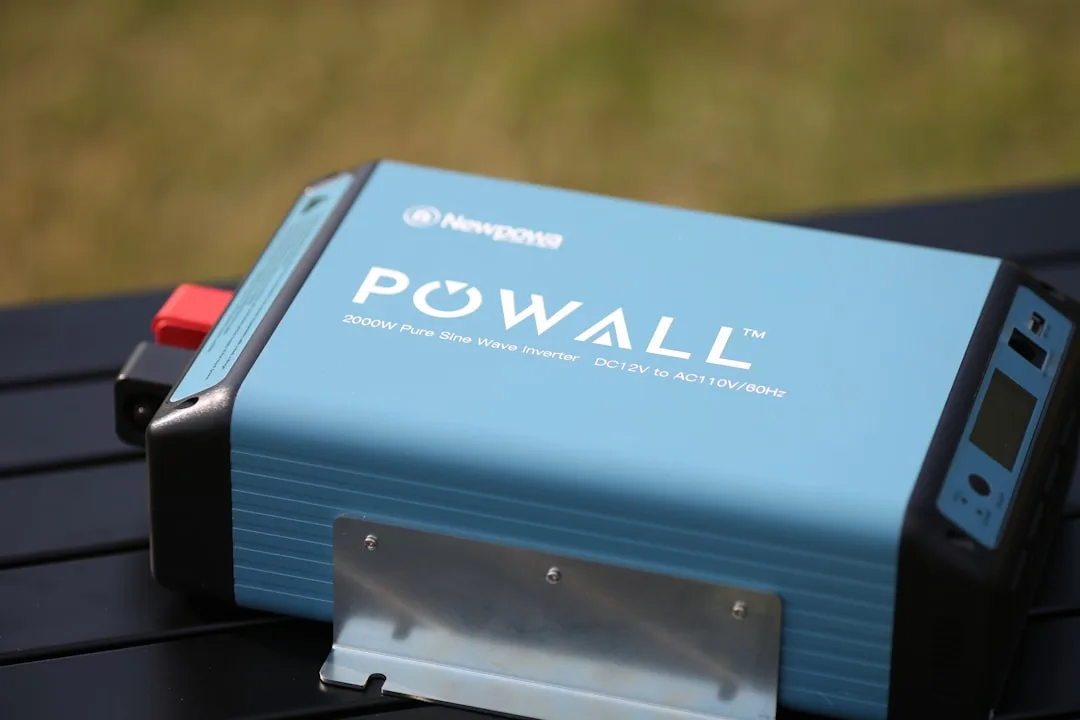
And then there were the practical voices, the ones I trusted most because they didn’t come to perform virtue—they came with the hard, unglamorous grammar of survival. One man told me flat-out that if the outage stretched, he wouldn’t be handing out cold beers for free and hosting some sweet little post-disaster block party. Beer, he said, would become currency. So would ice, propane, fuel, batteries, dry socks, chainsaw time, and a place to charge a phone for twenty minutes. Standing on my porch with the air thick as soup and the neighborhood smelling of pine sap, gasoline, and spoiled groceries beginning to turn, I realized how right he was. By day three, every favor had a weight.
I watched it happen in real time. A guy with a chainsaw cleared a fallen oak for two packs of AA batteries and four cold cans from somebody’s melting cooler. Another neighbor traded a gallon of gas for help getting a tree limb off his roof. Someone showed me how to rig aluminum foil and cardboard into a rough solar oven, angling the silvered panels toward the brutal white sun with a small dark pot under a piece of glass, the heat building slow and mean until even questionable water could be made safer to drink. Nothing about it looked noble. It looked sweaty and improvised and a little desperate—the kind of wisdom you only value after the tap runs warm and the freezer starts weeping.
That is what survival actually looked like where I was: not speeches, not sainthood, not everybody linked arm-in-arm around a generator in the rain. It looked like resource management, ugly trade-offs, and the kind of Financial Planning people mock until the world starts sounding like wind clawing at siding and transformers blowing in the distance. It looked like detectors with ten-year batteries doing their silent job while carbon monoxide hovered as an invisible threat. It looked like protecting the finite fuel, the food, the refrigeration, the lights, the security, the things that let one house remain standing as a house instead of becoming another dark shell. And when I think of that cord in my hand, heavy with rainwater and entitlement, I still don’t regret cutting it.
The legal threat arrived before the floodwater even had time to settle in the gutters. The minute I cut that line, my phone began to vibrate itself across the kitchen counter, the screen pulsing in the generator-lit dark like a trapped blue insect. Rain slapped the windows in flat, angry hands, and under it I could hear the steady chug of my generator outside, that one mechanical heartbeat I was trying to protect. Every message felt like it had been written by a different armchair attorney. One woman from the neighborhood group told me, in the grave tone people save for funerals and HOA meetings, that you don’t just yank power and leave people hanging; if somebody is depending on a property utility, you give sixty days’ notice and make the landlord fix it. He wasn’t my tenant, wasn’t even close, but the accusation still hit with the sting of sleet against bare skin.
“Know your Legal Rights before this gets expensive,” a cousin texted me, as if those words were a life raft.
Then came the Insurance Coverage lecture from a friend in real estate, the kind of man who cannot resist explaining policy language while the roof is still rattling. He launched into the difference between lender’s title insurance and homeowner’s title insurance—one protects the bank, one protects the owner, neither of them magically turns my gas can into a public utility. Another message came from a respiratory therapist friend who said that if my neighbor truly needed backup for a CPAP, there were proprietary battery packs, smaller travel machines, even one of those Jackery 500 units that could run overnight, with a three-hundred-dollar solar panel to recharge during the day.
That was the part that hardened something in me. There had been options. There had been Emergency Preparedness, or at least the bare minimum of trying. Instead, at 8:17 p.m., he texted that his attorney would be in touch. I stood there with salt on my lips, staring at my reflection in the black microwave door, gray-faced and hollow-eyed, and thought: I’m not some apocalypse prophet. I’m just a man who wanted to live comfortably when the weather turned feral. Still, in that warped reflection, I could almost hear a dry little voice say, Go to a mirror, look at yourself, and admit it: you prepared because no one else was going to save you.
The Knock at the Door
It came a little after ten, when the street had gone so black it looked erased. I had been sitting at the dining table with a flashlight and a legal pad, doing the stupid arithmetic of outages—how many gallons left, how many hours till dawn, whether the refrigerator had cycled too often, whether the freezer would hold if the wind shifted. The house smelled like gasoline, damp towels, and canned chicken noodle soup. Every so often the shutters shuddered, and the silverware inside the drawer gave a thin, insect-like rattle. My nerves had stretched so tight that even the thermostat clicking made my shoulders jump.
Then someone hit the front door three times with the flat force of a hammer. Not a neighborly knock. Not even anger, exactly. It had the blunt, official sound of a thing that expects entry. The lamp on my generator circuit flickered once, and in that blink of half-dark my throat went dry enough to taste copper. I pulled up the camera feed on my phone, the image smeared by rain, and saw a man-shaped shadow on my porch, broad in the shoulders, water streaming off the brim of his cap. In his fist was a loop of orange extension cord, slick and shining like a severed vein.
I knew it was him before the picture sharpened. My neighbor stood there with his jaw locked so hard it looked carved, and behind him, idling at the curb, sat a sheriff’s cruiser with the headlights low and watchful. The deputy wasn’t in frame yet, but the hood flashed white every time lightning cracked over the block, bleaching the yard into a negative. Somewhere down the street a transformer popped and a dog started barking itself hoarse. I reached for the deadbolt, felt the cold brass flatten against my palm, and told myself this was still just a conversation. Then he lifted his other hand into the camera’s view, and what dangled from his fingers made the blood go cold in my gums.
It was a CPAP mask.
Clear plastic. Gray straps. The hose coiled underneath it inside a grocery bag to keep it dry. When I opened the door on the chain, rain blew in cold and needled across my bare feet, and he shoved that bag toward the gap like a prosecutor presenting evidence. “You cut me off knowing I need this,” he said. His breath carried a yeasty, stale-beer smell that rode in over the wet cedar and gasoline, and over his shoulder the deputy stood on the walkway with his hat brim dripping, already wearing the tired expression of a man who knew this would end with the words civil matter before anybody finished shouting.
I told him the truth I had been chewing on for hours: that orange cord had not just been feeding a machine beside his bed. I had watched his garage freezer humming off my fuel, seen the blue flicker of a television through his curtains, watched porch lights burn while the rest of the block drowned in dark. If he truly needed backup power, there were battery packs made for those machines, smaller travel units that used less juice, and all week people had been posting Expert Advice about portable power stations—five hundred dollars for a Jackery, three hundred more for a solar panel, enough to get through a night. Shelters had opened inland. Charging stations had been listed by the county. Emergency Preparedness had alternatives. What he wanted was the cheapest one, and it was plugged into my house.
Then he started talking about lawsuits—spoiled food, medication, inconvenience, Insurance Coverage—dragging those heavy words out into the rain like language itself could do the work of character. I could feel my pulse in my teeth. Months of Financial Planning, fuel rotation, batteries, canned food, all the quiet, unglamorous labor of keeping one household alive, had been reduced in his mouth to selfishness. The deputy finally said, almost gently, that nobody could force me to power another home. My neighbor took one step closer anyway, water running off his chin, the cut cord hanging from his fist. I said no again, softly this time. And the look that crossed his face was the first moment I understood this storm was going to keep wrecking things long after the wind was gone.
The Generator Trap
The morning after I shut him off, the whole street smelled like hot gasoline and wet pine splinters. Generators thudded behind fences like mechanical hearts, each one coughing its little sermon about self-reliance into the bruised, salt-heavy air. From my porch, I could hear three distinct pitches at once—the low diesel growl two houses down, the rattling lawnmower whine across the cul-de-sac, and my neighbor’s unit, overworked and angry, revving high enough to make the window glass tremble. People talk about backup power as if buying the machine is the same thing as surviving the storm. It isn’t.
The trap isn’t the generator. It’s the fantasy attached to it.
A machine that gulps fuel, needs oil, demands dry storage, safe cords, and real load testing is not freedom; it is a hungry animal with chrome teeth. A guy I know who treats Emergency Preparedness like religion once told me the expensive gear means nothing if you’ve never lived with it—really lived with it. His rule was brutal and simple: stage two, no water, no electricity, no phones. Sit in your own house and find out what breaks first. Usually it isn’t your courage. It’s your planning.
In a disaster, noise can masquerade as security.
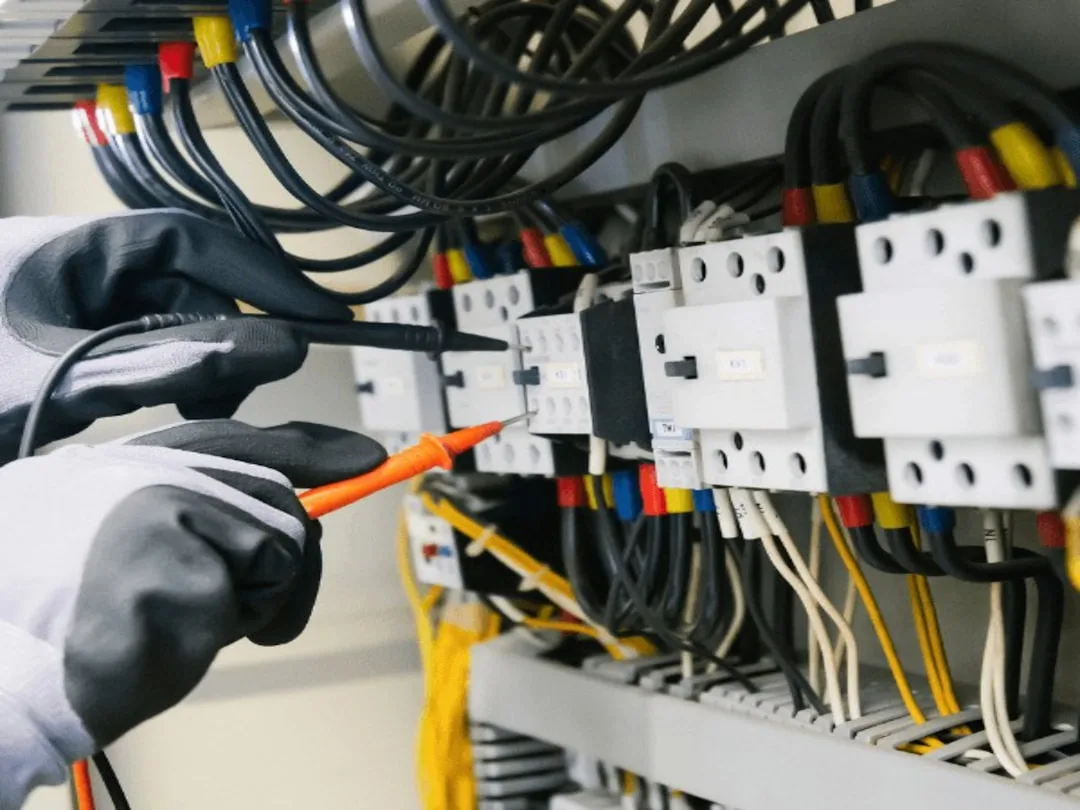
That was the part my neighbor never understood. He had wattage, but he didn’t have margin. He wanted to snake one more cord, then another, then “just the freezer for a little while,” until a temporary favor became a shared dependency with wet ground underfoot. When I put my hand on that extension line, the rubber was warm and gummy from strain, slick with mist, and my stomach tightened the way it does right before bad news lands. An electrician I later spoke to for Professional Help called that setup what it was: an overload waiting for a spark, with the added gift of possible backfeed if somebody got careless. In a Category 5 aftermath, one mistake doesn’t stay politely contained. It moves through walls.
So when I cut him off, I wasn’t choosing cruelty over kindness. I was choosing one house not to burn.
The Solar Lease Illusion
The strangest thing about a storm is how quickly desperation attracts salesmen. Before some families had even stripped the ruined drywall from their studs, the flyers started appearing—sunburst logos, smiling stock-photo couples, promises of “energy independence” and “no money down.” The paper felt damp in my fingers, soft as skin left too long in bathwater. And every pitch carried the same narcotic message: you will never feel that helpless again if you sign right now. After hearing my neighbor rage over a severed cord, I started looking harder at the other traps that feed on fear, and the most seductive one wore the face of sunlight.
Solar is not the lie. The lease often is.
I sat with a lawyer at a folding table in a library that still smelled like mildew and burnt coffee, and he walked me through the fine print the way a paramedic might explain where the bone snapped. In some contracts, he said, there’s a three-day window to cancel cleanly. After that, there may be liquidated damages. Maybe it’s $5,000. Maybe it’s more. Companies send letters designed to make your pulse jump into your throat, but the actual path is slower and uglier: they would have to sue, get a judgment, attach a lien to the property, and then—if they really wanted blood—try wages, bank accounts, even foreclosure pressure. The point isn’t always to win quickly. The point is to make surrender feel cheaper.
Fear is profitable when it’s wrapped in paperwork.
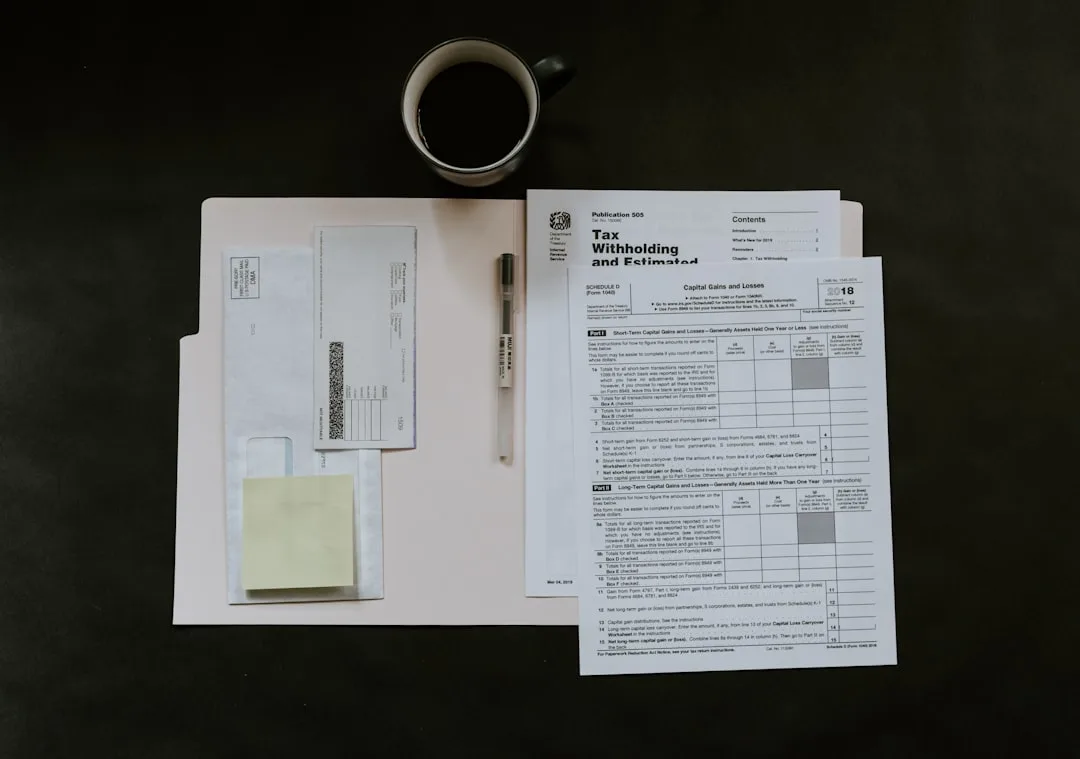
And here’s the part nobody shouting on your porch wants to say: many grid-tied solar systems do not keep your lights on during an outage unless there’s battery storage and the right equipment to island safely. Panels on the roof can still leave you in a dead house. Add in roof repair fights, shaky Insurance Coverage, and the way some leases tangle resale and Investment Protection, and what you have is not freedom but a long, polished leash dressed up as Financial Planning. Good solar, owned clearly and designed honestly, can be lifesaving. Bad solar contracts just move the storm indoors, where it blows for twenty years through your mail slot and your sleep.
The Silent Solution
What finally kept us steady was not the loudest thing on the block. It was the quietest. My best storm gear never announced itself with a roar or a fuel can. It sat where I left it, patient and almost embarrassed by its own usefulness: a battery-powered FM radio with extra batteries taped in a zip bag, a second radio that could charge by USB, water stored low and dark, filters in a drawer—one compact enough to disappear in a fist, another straw-style backup I hoped never to need. None of it looked cinematic. That was the point.
Real resilience is often small, boring, and nearly silent.
One night around four in the morning, after the worst wind had passed, I woke to a soft kshhhhhhhhhhh somewhere below me, a sound so faint it could have been static leaking from an old speaker. The house was still enough for me to hear it. I went downstairs barefoot and stepped into carpet so cold and saturated it felt like sinking into a dead animal. Water had been spraying inside a wall from a tiny pinhole in a pipe, misting the studs, soaking everything in that mineral-metal smell that rises when a house starts quietly bleeding. If a generator had been hammering outside my window, I might not have heard it until the drywall buckled.
One lesson kept repeating itself: the systems most likely to save you are the ones you’ve rehearsed. That same prepper friend who preached no water, no electricity, no phones was right about another thing too—practice turns panic into sequence. Turn this off. Check that. Listen. Conserve. Adapt. Seek Expert Advice before you need it. Know your Legal Rights before someone weaponizes urgency against you. Keep water you can trust, news you can hear, and power demands small enough that survival doesn’t need applause.
That is why I don’t regret cutting my neighbor’s power. The storm had already taken enough. I wasn’t going to let noise, ego, and one overheated cord take the rest.
Peace has a utility bill. The minute I killed the feed to my neighbor’s line, my generator settled into a lower, healthier hum, like an animal finally allowed to unclench its jaw. The sound changed from a frantic metallic whine to something steadier and almost intimate, and inside my house the refrigerator stopped shuddering against the tile. The lights quit their nervous flutter. Even the air smelled different—less hot plastic, less singed dust, more damp drywall and the raw salt breath the hurricane kept forcing through the seams in the windows.
That was the first lesson the storm carved into me: survival is rarely about abundance. It is almost always about restraint. I once heard a man from Wisconsin explain how people wreck their furnaces every year by demanding too much of old equipment when it’s -15 outside and the wind chill is -45; his own ancient unit tapped out around 72, so he kept it at 68 and layered up instead of pushing it to failure. Same principle, different disaster. You do not bully machinery when the weather is already trying to kill you. You lower the load. You choose what matters.
So I became stingy in ways that would have embarrassed me in ordinary life. I heated a little water just to shave and hated the waste of it. Later, after the storm, I bought one of those shower adapters that lets the cold water run until the hot finally reaches the head, then cuts the flow until you pull a little chain. That faint plastic click felt absurdly profound. It taught me that waste is usually just comfort wearing a nicer shirt.
And stolen power is still stolen power, even when somebody wraps it in desperation. If anyone had wanted to argue the point in daylight, there would have been talk of theft, shared access, maybe Legal Rights if a landlord or property line had muddied the arrangement. But hurricanes strip language to its bones. Load. Fuel. Risk. Consequence. My decision was not about being cruel. It was Investment Protection in the oldest, ugliest sense of the phrase: keep the house standing, keep the food cold, keep one overheated cord from turning a survivable night into a fire scene.
The mind changes before the weather does
What nobody tells you about Emergency Preparedness is that the real conversion happens in the nervous system long before it happens in your shopping cart. Somewhere between the first radar spiral and the first dead outlet, I stopped thinking like a polite suburban homeowner and started thinking like a quartermaster under siege. Every charged phone became thirty minutes of forecast and emergency alerts. Every gallon of water broke itself into smaller uses—teeth, coffee, flushing, washing a cut if somebody slipped. When the pipes started coughing air between spurts, I filled whatever I had: pots, mason jars, storage bins, anything clean enough to hold the future for a few more hours. The lantern light made the stainless steel flash like knives.
A prepper I trust once told me the most expensive gear in the world is theater if you never test it. I understood that sentence in my bones that night. The storm turned my home into a field exam. What worked? Battery radios, rotated fuel, flashlights where my hands could find them in the dark. What failed? My assumptions about what kind of person I would be when another adult decided my preparation belonged to him too. Scarcity has a smell—metallic, stale, close—and once it gets in your nose, morality stops feeling abstract. It becomes arithmetic.
If you are only preparing to survive alone, what exactly are you trying to save?
That question haunted me because I knew the counterpoint was true too: community is not the same thing as self-erasure. I wasn’t becoming heartless. I was becoming harder to exploit. My ears had sharpened to every creak in the siding, every loose branch scraping the fence, every wet footstep that might have been nothing or might have been trouble. The canned soup I ate tasted tinny and over-salted. My shoulders never fully unclenched. And somewhere in that long, blinking dark, I realized the storm had not just changed my house. It had changed the way I measured trust.
Then, a little after midnight, the generator stumbled once—just once—and through the slashing rain I heard the wet scrape of another extension cord being dragged across my concrete.
That sound ended the last debate inside me. I went to the back door barefoot, the tile cold as a gravestone under my feet, flashlight in one hand and the spare cutoff lock in the other, and when the beam sliced through the rain I saw exactly what I had feared: another cord, darker this time, glistening like a snake in the floodwater near my fuel cans. I yanked it free without ceremony. No speech. No neighborhood diplomacy. Just the slick rubber burn of it across my palm and the hard knowledge that improvisation had officially run out.
The next week smelled like PVC glue, wet mulch, and burned pride. I brought in Professional Help and paid for a proper setup: exterior inlet, interlock, lockable disconnect, weatherproof hardware, the kind of system that doesn’t depend on goodwill or a cracked door and a prayer. It was not cheap, but storms are excellent teachers of Financial Planning. Money spent before impact is painful in one clean cut; money spent after failure bleeds from ten places at once. I’d learned that lesson with power, and I was done pretending duct-tape solutions counted as resilience.
I hardened the water side too, because the hurricane had exposed a second weakness I didn’t enjoy admitting. I stored more, filtered better, and started practicing uglier scenarios on purpose—an evening with no grid power, a morning with no running water, a weekend with the phones off just to understand what silence actually does to a human mind. People talk about “stage two” like it’s a joke until the rooms go still enough for you to hear your own pulse in your ears. The house got bigger in that silence, and less forgiving.
Hardening a house is easy. Hardening without hollowing yourself out is the real work.
So I made rules against my own paranoia. I checked on friends. I kept moving, kept lifting, kept forcing my body out of that clenched, watchful crouch disasters can teach so well, because I knew isolation can curdle into its own kind of captivity if you feed it often enough. But I also put locks where there had once been trust, cameras where there had been hedges, and distance where there had been easy small talk over trash day and lawn clippings. By the time the permits were signed and the new system clicked live with a clean, satisfying snap, the house was protected.
I just hadn’t yet learned what that protection would cost me the next time his porch went dark.
The Fence Line
The wind had gone from a scream to a hoarse, steady animal sound, the kind that seemed to live inside the walls after midnight. My generator throbbed beside the house, all hot metal and gasoline, and the air tasted like salt, mud, and something faintly electrical, as if the storm had bitten through a wire somewhere and left the copper bleeding. Every few seconds the security light threw the fence slats into hard white stripes. That was when I saw him on the other side—shirt pasted to his ribs, rain sheeting off his face, one hand clamped around the top board like he meant to shake the whole property loose.
He yelled that his porch was dead. His refrigerator was warming. I had “cut them off” in the middle of a Category 5 hurricane.
I had. Just not the way he meant it.
A week earlier, my electrician had shown me the old buried line that slipped under the fence like a black root, feeding part of the neighboring house from my panel. He said if I energized my place during an outage with that line still alive, I could overload the backup system, cook old wiring inside the walls, or backfeed power where it had no business going. So when the grid collapsed with that sick metallic pop, I killed that circuit and locked it out with hands that were already slick from sweat.
“I can let you charge phones on the porch,” I shouted back, rain needling my cheeks. “I am not powering your house through my panel.”
He hurled back something about a CPAP, about needing electricity overnight, and for half a second the guilt hit low and hard, like a fist under the breastbone. But even in that moment, I knew this was supposed to have been somebody else’s responsibility: a landlord, an owner, an insurance company, some basic level of Emergency Preparedness. CPAP battery packs are often model-specific. There are travel units. A Jackery 500 can cover a typical night, and a $300 solar panel can recharge it by day. None of that should have depended on a hidden line siphoning off my house.
The boards between us rattled so hard they sounded like teeth.
The Grid Returns
When the utility trucks finally came, dawn looked bruised—purple clouds, stripped branches, roofs peeled back like sardine lids. The men in neon vests moved down the street with that exhausted, automatic grace only disaster workers have, boots sucking at the mud, diesel fumes hanging greasy in the wet heat. Around noon, the neighborhood came back in pieces: one transformer thumped, then another, then the whole block seemed to inhale as compressors kicked on and window units began their tired rattling song. I kept my isolation setup engaged anyway, because until everything was documented, I wasn’t reconnecting a single thing that had once crossed that fence line.
He was at my driveway before the puddles had even stopped trembling.
This time, he wanted compensation.
Spoiled food. Lost sleep. Maybe hotel money. Maybe the cost of finding out, far too late, that his house had been leaning on mine for who knew how long. Heat shimmered off the concrete and made his face look watery, unstable. I told him as calmly as I could that if the utility hadn’t covered his losses in full, he needed to file through his homeowners insurance—or push his landlord to do it, if that was the arrangement. If his Insurance Coverage had lapsed, that was brutal, but it still wasn’t a bill I owed. A hidden shared line is a property issue, maybe even a theft issue, not some private debt I’m morally required to absorb because a storm exposed it.
After he left, I got Professional Help. My closing attorney explained the title-insurance mess in the same dry tone people use when they’re trying not to say “you should have known.” Lender’s title insurance protects the bank. Homeowner’s title insurance is the piece that can matter when there’s a buried surprise, a disclosure problem, a line where it never should have been. Later, the utility supervisor looked at the photos from my electrician and nodded.
“You didn’t shut off your neighbor,” he said. “You stopped energizing an unsafe connection.”
That sentence settled in me like a bolt finally catching its thread. The grid had returned. The illusion had not.
Final Thoughts on Preparedness
I still wouldn’t call myself a prepper in the theatrical sense—no bunker, no shelves of freeze-dried food stacked to the ceiling, no private fantasy about becoming king of the cul-de-sac when civilization hiccups. I am just a man who wants, very stubbornly, to live with some measure of comfort when the weather turns biblical. But after that storm—after the blacked-out hours, the fence-line accusations, the smell of wet drywall and insulation baking in the returning sun—I stood in my bathroom, stared at my own gray face in the mirror, and admitted what the hurricane had made obvious.
Prepared. Or trying to be.
That word carries more dignity than people give it. Financial Planning is preparedness. So is understanding your Legal Rights before a hidden wire, a careless seller, or a lazy landlord turns your home into somebody else’s emergency plan. So is keeping permits, taking photos, reading the boring documents nobody wants to read, and getting a real Medical Consultation if someone in your house depends on powered equipment. Hope is not a battery. Good intentions do not run a refrigerator. Community matters, yes—but community without boundaries curdles fast into obligation, then resentment, then danger.
I still believe in neighbors. I shared ice after the storm. I lent out tools. I let people top off phones and flashlights on my porch while the evening air smelled like mildew and cut pine. The soft murmur of people checking on each other in the gray morning remains one of the most human sounds I have ever heard.
But here is the part nobody likes to say out loud: some unlikely disasters reward generosity, and some punish the person who keeps saying yes long after yes stops being safe. Storms are not the tooth fairy. They do not hand out protection because your heart was in the right place. They expose weak seams—bad wiring, bad paperwork, bad assumptions—and then they push straight through. I cut my neighbor’s power during a Category 5 hurricane, and I don’t regret it, because what I severed was never kindness.
It was an unsafe dependency wearing the mask of neighborliness.
Red Flags You Should Never Ignore
1. Unexplained low, vibrating hums moving through your house—often a sign of an overloaded or hijacked circuit.
2. Shared breaker boxes in older duplexes or subdivided properties that secretly power a neighbor’s appliances.
3. Predatory ‘delayed ownership’ solar contracts that place a hidden lien on your home instead of providing real equity.
4. Neighbors who mock emergency preparedness but are the first to demand your resources when the grid fails.
5. Loud, gas-powered whole-house generators that advertise your supplies to desperate people in a blackout.