It started the way dangerous things often do—small enough to explain away. A little fullness after eating. A little burning in my chest. A strange heaviness in my stomach that felt more like stress than sickness. I told myself it was coffee, skipped meals, anxiety, overwork—anything but something serious.
But then the symptoms stopped acting normal. I was getting full after a few bites. The pain came in waves. I was exhausted all the time, losing weight without trying, and starting to realize this wasn’t ordinary indigestion anymore. And when I finally asked for help, I got the answer so many people get first: it’s probably just stress.
What happened after that is exactly why the earliest warning signs of stomach cancer are so easy to miss—and so dangerous to ignore.
At first, I told myself it was nothing dramatic—just stress, bad sleep, too much coffee, too many skipped meals, the kind of stomach misery ambitious people wear like a badge. I was pushing through one of the busiest seasons of my life, trying to hold together work, deadlines, and the version of myself everyone expected to see. The pain came in strange little waves: a heavy fullness after a few bites, a sour burn in my chest, a tight, knotted feeling low in my gut that made me press my palm against my abdomen and wait for it to pass. I kept thinking of all the times people panic over pain and it turns out to be ordinary, hormonal, anxiety-driven, temporary. So I did what so many of us do—I minimized it, laughed it off, and kept going.
“You’re probably just run down,” I told myself, over and over, like repetition could turn fear into fact.
There were moments, though, that didn’t feel ordinary at all. I’d be sitting still and suddenly break into a sweat, that cold, clammy kind that makes your shirt stick to your back. Once, after a brutal cramp sent me rushing to the bathroom, I got so dizzy I had to brace myself against the wall, woozy and disoriented, like the floor had tilted under me. Another time I nearly blacked out and remembered reading about people having acute episodes on the toilet, passing out briefly, hitting the floor, everyone later calling it a simple vasovagal spell. That explanation sounded neat, harmless, convenient. I wanted convenient. I wanted a name that didn’t threaten the life I was building.

The Escalation
Then the symptoms stopped behaving like background noise and started taking over the room. The pain sharpened. My appetite vanished in a way that felt eerie, not disciplined, not accidental—just gone. I’d stare at food, take two bites, and feel bizarrely full, as if my body had decided it no longer recognized hunger. My energy collapsed next. I wasn’t just tired; I was drained in that deep, cellular way that makes brushing your hair feel like a task and climbing stairs feel faintly humiliating. I started losing weight without trying, and instead of feeling relieved the way people are taught to feel, I felt scared. Something was off, and every day I ignored it, the feeling grew teeth.
I still kept making excuses because the alternative was too terrifying to say out loud. I had plans. I had momentum. I had worked too hard to imagine my body betraying me in the middle of it all. Part of me thought about stories of people diagnosed at the height of youth and career, hearing impossible numbers—18 months, no easy fix, no clean rescue—and watching everything they’d built suddenly collapse. I wasn’t ready to let my mind go there, so I did what desperate people do: I compartmentalized. I smiled through meetings, canceled dinners, hid the nausea, and told almost no one how bad it was getting. But what happened next changed everything…
The First Dismissal
When I finally asked for help, I expected urgency. Instead, I got the soft dismissal that sounds gentle enough to make you question your own instincts. Stress. Anxiety. Acid reflux. Maybe a sensitive stomach. Maybe I was spiraling. Maybe I was one of those people who reads too much, feels too much, notices every twinge, and turns it into catastrophe. The conversation left me with that awful, familiar shame—like I had brought something messy and inconvenient into a room that preferred neat explanations. I walked out with advice to rest, adjust my diet, maybe take medication, and monitor it. Monitor it. As if I hadn’t already been living inside every symptom like it was a second skin.
The Breakpoint
So I tried to be the “good” patient. I stayed pleasant. I followed instructions. I kept a sense of humor because people say that’s lifesaving when your body starts turning against you. But behind that performance, I was unraveling. The pain was unreal now—gnawing, persistent, impossible to predict—and the weakness was getting harder to hide. I’d catch my reflection and notice my face looked sharper, older, wrong. My clothes hung differently. My appetite had not come back. My body was sending signals in a language I didn’t fully understand yet, but I knew this much: it was not asking politely anymore.
The Silent Decline
The worst part wasn’t one dramatic collapse. It was the quiet erosion. A little less food. A little more pain. A little more fatigue. Nights curled up in bed with my knees pulled in, mornings waking with that same heavy dread in my stomach before I’d even opened my eyes. I began organizing my days around bathrooms, antacids, loose clothes, and excuses. The people around me saw stress. Maybe burnout. Maybe nerves. They didn’t see the private math I was doing—how many bites I could manage, how many hours since I’d last kept food down, how often the dizziness came, whether this was the day I would finally stop pretending it was manageable.
By then, my life had become a performance of normalcy staged over something dark and growing.
And still, I hesitated to say how frightened I was. I thought of survivors who talk about surgery, chemo, radiation, temporary ileostomies, permanent colostomies, and how long it took to get their energy and appetite back. I thought of families forced to watch someone they love fade into horrific pain, managing it with morphine because comfort becomes the only mercy left. Those stories lived at the edge of my mind, impossible to ignore now. I didn’t have a diagnosis yet, but deep down, I had crossed into a new kind of fear—the kind where your body already knows the truth before anyone says it out loud.

The Breaking Point
I kept telling myself it was just stress, the kind that piles up quietly until even a bright day feels fake. Outside, it was all sunny skies, birds chirping, people laughing like life was simple. Inside, I was shrinking. Eating hurt. Swallowing hurt. Even turning my neck felt wrong, like something deep in my body had swollen into a warning I couldn’t push away anymore. I tried to simplify everything, to scale way back and ask myself what was really necessary, but the answer kept circling back to the same terrifying truth: if my own body was fighting this hard, then this wasn’t anxiety, and it definitely wasn’t in my head.
I had reached that awful point where fear stopped being dramatic and started feeling practical.
For three straight months, my mind had been sprinting through worst-case scenarios—colon cancer, brain cancer, heart problems, one after another—like my body was a crime scene and nobody could tell me where the blood was coming from. I remember lying awake, calculating time in weird little chunks, wondering what would happen if I went to sleep and woke up five days later to hear that my life was basically over before it had even started. People kept hinting that maybe I needed medication, maybe I needed to calm down, maybe I was spiraling. But there’s a difference between panic and instinct, and by then, instinct had become impossible to ignore.
The Second Hospital Visit
The second time I went back to the hospital, I wasn’t asking for reassurance anymore. I was asking them to look harder. My neck was visibly swollen, my stomach felt like it was clenching around shards of glass, and swallowing sent this sharp, dragging pain through my chest that made even water feel dangerous. I told them I couldn’t keep doing this, that I was exhausted by being discounted every time they couldn’t hand me an exact diagnosis in ten minutes. The fluorescent lights made everything look colder, harsher. Nurses moved past in soft rubber soles, monitors beeped somewhere down the hall, and I sat there trying not to cry because I knew if I did, someone would probably write me off as emotional instead of sick.
Then the tone changed. Not all at once—just enough for me to notice. More questions. More scans. More whispered conversations just outside the curtain. One doctor stopped using that careful, dismissive voice and started speaking in clipped, serious sentences. Another asked how long I’d been unable to eat normally, how much weight I’d lost, whether the pain got worse by evening, whether I was too drained to function by 7 p.m. the way people are when their bodies are spending every ounce of energy on survival. I remember staring at their faces, trying to read what they weren’t saying. And when they finally told me they needed more tests immediately, I knew this was no longer about stress. That’s when the real nightmare began…
The Devastating Diagnosis
There are moments that split your life cleanly in two, and this was one of them. Before the diagnosis, I was still bargaining with reality, still hoping this would turn into some strange but fixable explanation. After it, everything sounded far away, like I was underwater listening to someone else’s tragedy. I heard the word cancer first, and then the rest came in pieces I had to force myself to collect: where it was, how serious it looked, what they suspected had already been happening inside me while I was being told to rest, hydrate, and monitor my symptoms. I didn’t react the way I thought I would. I didn’t scream. I didn’t collapse. I just went cold.
Sorry, your dealing with stage 4 too. It isn’t a fun club to be in.
That sentence wasn’t spoken in the room, but it echoed in my head anyway—the brutal, stripped-down truth of what cancer does. It doesn’t just invade your body; it drags you into a club nobody wants to join, where every conversation suddenly becomes about treatment plans, recurrence rates, timelines, side effects, and survival percentages you never wanted to know. The doctors kept talking, and I kept nodding as if I understood, but all I could really think was how many chances there had been to catch this sooner. How many appointments had ended with uncertainty. How easily symptoms get discounted when no one can label them fast enough. By the time the diagnosis was finally spoken out loud, it felt less like new information and more like confirmation of the fear my body had been trying to hand me for months.
The Financial Nightmare
And then, almost immediately, the illness stopped being only physical. It became financial, logistical, humiliating. The first stack of paperwork landed in my lap before I’d even had time to process what the doctors had said. Bills. Coverage questions. Treatment estimates. Prescription costs. Follow-up appointments. I was still trying to wrap my mind around surgery, pain control, and the fact that even swallowing had become its own special kind of torture, and suddenly I was expected to become an expert in insurance language too. I remember thinking how absurd it was that a person could be fighting for their life and still be asked to calculate deductibles, co-pays, and whether they could afford to be sick for another month.
The ripple effect hit everything. Work became uncertain. Energy disappeared. Ordinary routines collapsed. I thought about the stories I’d heard from other patients—partners forced to cook for themselves for the last two months, people too wiped out by chemo to make it past early evening, households quietly reorganizing themselves around exhaustion and fear. That was the part nobody prepares you for: cancer doesn’t just threaten your body, it starts repossessing your life piece by piece. Your appetite. Your sleep. Your income. Your dignity. By the time I got home and spread the paperwork across the table, the numbers looked almost as frightening as the diagnosis itself, and I realized this disease was coming for far more than my stomach.

Finding the Community of Ghosts
That night, after the bills stopped looking like paper and started looking like a countdown, I did what terrified people do when the house is quiet and the fear is louder than reason: I went searching for strangers. I found them in late-night threads and desperate comment chains, people typing from hospital beds, kitchen tables, parking lots outside emergency rooms. One survivor described rectal cancer, stage 2, radiation, chemo, LAR surgery, a temporary ileostomy, then a permanent colostomy—as if listing battle scars in the dark so the rest of us could find our way by touch. She said she didn’t love the stoma, but she loved being alive more. And somehow, in that brutally honest sentence, I felt less alone than I had in weeks.
What stunned me wasn’t just the pain in those stories. It was the eerie sameness of them. A daughter wrote about her mother ignoring pain for about six months, hoping it was nothing, until the doctor finally said stage 4 pancreatic cancer and the calendar suddenly became a weapon. Gone before the end of the year, she said, in the flat, stunned language of someone still trying to understand how a life can collapse that fast. Another person begged for answers after almost a year of symptoms, after an ER visit, after tests, after a referral to a specialist who reportedly refused to explain the results. Not one of them sounded dramatic. That was the worst part. They sounded exhausted. Like people who had been waving from underwater for so long they forgot what dry air felt like.
“She absolutely needs to go to the doctor,” one person insisted, with the kind of urgency that felt less like advice and more like a warning flare.
Then the practical survival instructions started pouring in, and they were almost as heartbreaking as the diagnoses. Find a non-profit hospital. Apply for charity care. Ask about low-income payment plans. They won’t always demand money on the spot. That’s how people were talking about possible cancer—as a maze of billing codes, insurance traps, and hospital categories you had to decode while your body was betraying you. Someone mentioned Mercy and charity programs like they were passing along contraband. Someone else explained, in furious detail, how a teacher making $40k pre-tax could still be too scared of the cost to get checked after a year of pain. I sat there reading, realizing this wasn’t just a community. It was a city of ghosts, all of us haunting the same broken system before it had even finished with us.
Echoes of Suffering
The more I read, the more the stories stopped feeling separate. They began to echo off each other, one after another, like doors slamming down a hallway. There was the exchange student diagnosed with an aggressive brain stem glioma at the height of youth and ambition, trying to hold together a work permit, a future, a path to permanent residency, while doctors handed over 18 months and no real rescue plan. No surgery. No chemo. No neat movie ending. Just the sickening collapse of everything carefully built. I remember staring at that story and thinking how quickly a body can turn your biography into rubble. One scan, one sentence, and suddenly the life you were living belongs to somebody else.
And then came the raw, furious chorus about healthcare itself, the comments that didn’t even try to hide their disgust. One person called it “the most American thing ever”—to have pain and discomfort for a year, to know you probably should see a doctor, and to still stay home because the math is impossible. Another talked about a local hospital that wouldn’t take their insurance, not even when the family offered to pay cash from retirement funds, pooling money from every corner just to buy more time. I could feel my jaw tightening as I read. We’re told early detection saves lives, but nobody says what happens when early detection comes with a price tag that can swallow your rent, your savings, your future, and your dignity in one bite.
This was the pattern I couldn’t unsee:
– Pain dismissed as stress
– Weight loss explained away
– ER visits that generated referrals, not answers
– Insurance barriers that turned months into funerals
The stories kept circling the same brutal truth: by the time some people were finally taken seriously, the disease had already moved in and rearranged the furniture. A lump. Severe unexplained weight loss. Appetite gone. Energy gone. A specialist appointment scheduled too far away. A phone call never returned. And underneath all of it, that same poisonous hesitation: What if I can’t afford whatever they find? That question doesn’t just delay treatment. It rewrites outcomes. It teaches people to negotiate with symptoms they should be running from. It trains them to call danger “stress” until danger has a name, a stage, and a deadline.
The Medical Gaslighting Epidemic
What made my stomach drop wasn’t only the suffering. It was how many people had been made to doubt themselves before anyone took them seriously. Not always with cruelty—sometimes with a shrug, a vague reassurance, a “let’s monitor it,” a “you’re probably anxious,” a “you’re too young for that.” But the effect was the same. People learned to mistrust the alarm bells in their own bodies. One family had already gone to the ER, done the tests, gotten the referral, and still came away with the surreal message that the staff “can not” answer any questions regarding the results. Imagine hearing that when someone you love has been sick for nearly a year. Imagine carrying that sentence home like a sealed envelope full of smoke. That isn’t medicine. That’s abandonment dressed up as procedure.
They weren’t just fighting disease. They were fighting disbelief.
And once I saw it, I couldn’t stop seeing it. The woman who waited six months because maybe it was nothing. The family blocked by insurance while cancer kept advancing offstage. The teacher with year-long pain doing mental arithmetic instead of getting examined. The survivor trying to reassure strangers that yes, life after surgery can still be life, because she knew how terrifying the unknown becomes when doctors, systems, and bills all start speaking in riddles. This is what gaslighting looks like in medicine: not always a dramatic refusal, but a thousand tiny deflections that teach you to minimize your own suffering until the pathology report finally screams what you were never allowed to say out loud. And just when I thought I understood how bad it was, I found the story that made everything darker—because that’s when the real nightmare began…
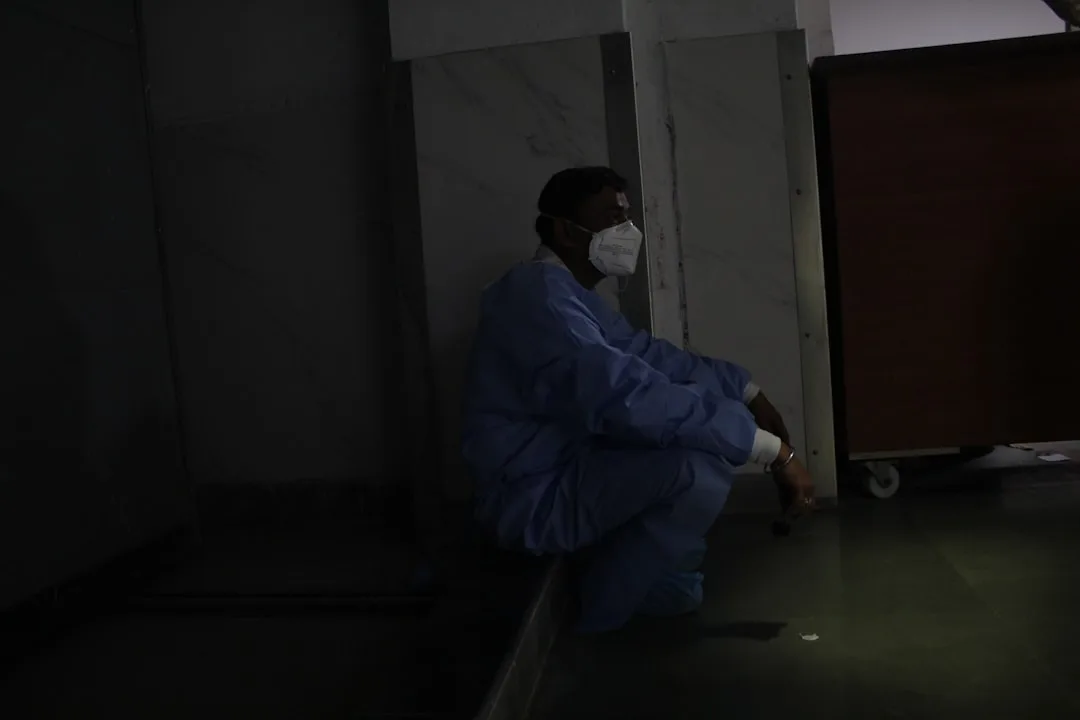
The Systemic Failure
By then, I wasn’t reading isolated tragedies anymore. I was looking at a machine doing exactly what it was built to do: sort people by coverage, income, timing, luck, and stamina, then pretend the outcomes were personal failures. Go to the doctor early, they say. Advocate for yourself, they say. But what if the nearest “good” hospital doesn’t take your insurance? What if the specialist is booked out for weeks? What if the non-profit hospital with charity care is two counties away, and you’re already too weak to sit upright in a waiting room for six hours under fluorescent lights? What if every step toward an answer requires money, transportation, paperwork, time off work, and a level of emotional endurance most healthy people would struggle to summon? Suddenly “just get checked” starts sounding less like advice and more like a luxury slogan.
The most chilling part was how ordinary everyone’s reasoning sounded before disaster hit. They weren’t reckless. They were cornered. They had jobs, rent, children, immigration worries, retirement funds they were terrified to burn through, symptoms they kept trying to fit into a less catastrophic story. Stress. Ulcers. Hormones. A bug. Burnout. Anything but cancer. And the system encouraged that denial at every turn, because denial is cheaper than diagnostics, cheaper than treatment, cheaper than compassion. So people waited. They compared notes online. They asked strangers what a lump might mean, whether severe weight loss could be “just anxiety,” whether an ER referral without answers was normal. They built triage networks out of comment sections because the official pathways had become too expensive, too slow, too opaque, or too indifferent to trust.
One truth kept clawing its way back to the surface: silent warning signs stay silent longer in systems that punish people for listening to them. That is the failure. Not just missed diagnoses, but the conditions that make missing them so predictable it almost feels scripted. The pain gets normalized. The weight loss gets rationalized. The appetite changes get buried under stress. The bills arrive before clarity does. And by the time the scans, scopes, biopsies, and specialist calls finally line up, too many families are no longer asking how to stop the disease. They’re asking how much time is left, whether a different hospital might have changed things, whether six months or one year or one ignored symptom was the moment everything could still have been saved.
[BREAKPOINT]
The Psychological Mirror
What shook me most reading through story after story wasn’t just the cancer. It was the way the mind becomes an accomplice. One woman described the kind of fear spiral almost every teenage girl recognizes—that old, primal panic of bleeding, cramping, feeling your body revolt, and being told it’s probably “normal.” That same script follows people into adulthood: it’s stress, it’s hormones, it’s anxiety, it’s just your stomach acting up again. And once that idea lodges in your head, every warning sign gets translated into something smaller, safer, easier to survive emotionally. The body whispers, but the brain, desperate for relief, keeps editing the message.
“Your anxiety is spiraling” sounds harmless until it becomes the reason nobody looks deeper.
That’s the psychological trap. Not hypochondria—almost the opposite. People talk themselves down because the alternative feels too terrifying to name. Families do it too. A 55-year-old retired paramedic with IBD described collapsing after an acute episode on the toilet, drenched in sweat, pain exploding through her gut, briefly blacking out, then waking up with a bump on her head from hitting the floor. Even with all that, the response around her carried that awful undertone of dismissal, as if a body in obvious crisis could still be filed under overreaction. And when that happens enough times, you start performing calm for other people. You minimize. You apologize. You say maybe it’s nothing. That is how serious disease buys time in silence.
The Cost of Survival
Then there’s the part nobody romanticizes: survival is expensive, uneven, and cruelly dependent on timing, access, and luck. One man wrote about losing his father at 60 to liver cancer, diagnosed at stage 3, and even in grief he sounded almost grateful for the narrow opening they got—five extra years because his dad qualified for an experimental treatment called radioembolization, a minimally invasive way to target cancer tissue while sparing more of the surrounding liver. Read that twice. Five years did not come from wishful thinking or “staying positive.” It came from finding a center, finding a protocol, finding a chance. For so many families, the difference between months and years is not effort. It’s whether the door was even unlocked when they arrived.
And when the door isn’t open, the emotional bill becomes financial too. You can hear it underneath so many accounts: the second opinions, the university hospital consults, the scans re-read because someone fears a mix-up, the impossible question of whether the images belonged to the wrong patient or whether this was simply a cancer growing so fast that even the oncologist had never seen anything like it. Add in missed work, gas money, hotel rooms near treatment centers, insurance fights, the cost of being told to wait, then being told it’s advanced. By the time “indigestion” turns into a diagnosis, families are no longer budgeting for medicine alone. They’re paying for time, for hope, for transportation, for childcare, for one more opinion, for the right to ask whether this could have looked different six months earlier.

The Anatomy of a Whisper
Here’s what makes stomach cancer so treacherous: early symptoms rarely arrive like a scream. They arrive like static. A little bloating after small meals. A vague burning under the breastbone. Nausea that comes and goes. A sudden aversion to foods you used to love. Feeling full too quickly. Mild upper abdominal discomfort that seems to shift with stress, sleep, coffee, antacids, or nothing at all. In medicine, these are called nonspecific symptoms, which sounds tidy and clinical, but in real life it means they are easy to misfile under reflux, ulcers, a stomach bug, gallbladder trouble, perimenopause, IBS, anxiety, or plain bad luck. The danger isn’t that the signs don’t exist. It’s that they are soft enough to be explained away.
That softness is the whole problem.
By the time stomach cancer becomes obvious, it may stop whispering and start taking things from you in ways that are harder to ignore: unintentional weight loss, persistent vomiting, black or tarry stools, vomiting blood or coffee-ground material, fatigue from hidden bleeding, trouble swallowing, deep gnawing pain, or a sense that eating has become work instead of instinct. But there’s a brutal lesson buried in the community stories about pancreatic and liver cancers too: many abdominal cancers stay quiet until symptoms mean the disease is already advanced. One clinician put it bluntly about pancreatic cancer—by the time most patients are symptomatic, they are terminal, with only a subset of tumors near the head of the pancreas getting caught earlier because jaundice appears when the bile duct is blocked. Stomach cancer is its own disease, but the principle is hauntingly familiar: late symptoms are louder, not kinder.
Indigestion vs. Danger
So how do you tell ordinary indigestion from something that deserves urgent attention? Not by one symptom alone, but by pattern, persistence, and progression. Indigestion usually has a rhythm: it shows up after certain foods, eases with time, and doesn’t steadily rewrite your life. Danger behaves differently. It lingers for weeks, returns more often, stops responding to the tricks that used to help, and starts bringing friends—loss of appetite, early fullness, weakness, anemia, vomiting, pain that wakes you at night, or stools that look black and sticky. One young woman described going to three ERs with vomiting, dizziness, fever, and abdominal pain; the first two called it a routine stomach virus, and the third escalated so far that security was summoned before a guard finally believed her enough to call her GP. That story isn’t about stomach cancer specifically. It’s about how easily serious abdominal distress gets mislabeled when the first explanation sounds common enough.
If your “indigestion” is changing you—your weight, your appetite, your energy, your ability to eat, your stool, your sleep—it is no longer a small story.
That doesn’t mean every bout of heartburn is cancer. It means you should respect red flags, especially if you’re over 50, have a family history of gastrointestinal cancers, a history of ulcers or H. pylori, smoking exposure, chronic gastritis, or symptoms that are intensifying instead of fading. Ask for specifics. Ask what else could explain the symptoms and what has actually been ruled out. Ask whether you need labs to check for anemia, stool testing for bleeding, imaging, or an endoscopy if symptoms persist. The lesson from all those voices is painfully clear: being calm does not make you safer, and being dismissed does not make the danger unreal. When your body keeps whispering the same warning, the bravest thing you can do is stop calling it stress.
The Critical Window
There’s a brutal stretch of time doctors and patients both fear—the space between “something is wrong” and “now we can prove it.” One cancer specialist described it as the worst part for most people: the scan hints at disease, the abdominal lining looks suspicious, maybe even ominous, but the biopsy hasn’t happened yet, so life turns into a hallway with no doors. You’re not healthy anymore, but you’re not fully diagnosed either. You wake up every morning with the same churning question—is this fixable, or am I already late? And in stomach cancer, that window matters more than most people realize, because symptoms often stay vague until the disease has already started writing ahead of you.
The danger isn’t always the loud symptom.
Sometimes it’s the delay.
That’s what makes these stories so chilling. A woman collapses after an acute episode on the toilet, goes diaphoretic, briefly passes out, smacks her head on the floor, and still finds herself dealing not just with pain, but with a disrespectful ambulance crew while her gut is in open revolt. Another person spends a year living with pain and discomfort because the math of American healthcare feels impossible on a teacher’s salary—forty thousand a year before tax, bills already stacked, fear doing what fear always does: making postponement feel practical. Then someone else notices a lump, severe unexplained weight loss, and gets told in plain language to go now, apply for charity care, find a nonprofit hospital, do not wait for the perfect time. Because the perfect time never comes. But what happened next changed everything…

How to Advocate For Your Life
If there’s one truth buried inside all this, it’s ugly and useful: you may have to fight hardest when you feel weakest. People imagine medical care as a clean chain of events—symptom, appointment, scan, answer. Real life is messier. You get two rushed minutes to explain months of pain. You mention discomfort, early fullness, nausea, weight loss, and the room somehow hears “stress.” You leave with antacids, a soft suggestion to monitor it, and a private shame that makes you wonder if you sounded dramatic. That self-doubt is deadly. If your body keeps returning to the same complaint, your job is not to be agreeable. Your job is to be unforgettable.
Here’s what that advocacy can look like when politeness has already failed: bring a timeline, name the pattern, state the escalation, ask directly what is being ruled out. Say, “I’ve had pain for a year, it’s getting worse, I’m losing weight without trying, and I need to know whether this could be something serious like an ulcer, bleeding, or cancer.” Ask, “If not a CT, then why not? If not an endoscopy, what is the plan if this continues?” That doesn’t guarantee a scan—one clinician pointed out that not every patient with abdominal pain automatically gets a CT, and that’s true. But a thoughtful no is very different from a dismissive no. You are listening for reasoning, not reassurance.
The breakpoint
And if the first answer doesn’t fit the reality in your body, that is your breakpoint—the moment to stop shrinking.
A lot of people never get there because they’ve been trained not to. Women especially, patients with chronic bowel issues, people with IBD, people with anxiety histories, people in pain that doesn’t show up neatly on the outside—they learn to narrate their suffering in softer words so they won’t be labeled difficult. But “discomfort” can mean doubled over on the bathroom floor. “A little dizzy” can mean vasovagal syncope, sweat pouring off your skin, a head injury from collapsing. “I’m not eating much” can mean your stomach fills after three bites and your weight is sliding off you fast. The body often tells the truth in fragments. Advocacy means refusing to let those fragments be edited into something harmless.
That can also mean using the system the way the system actually works, not the way we wish it worked. Go to the ER if symptoms become severe, especially if you can’t keep food down, have black stools, vomiting, fainting, severe abdominal pain, a palpable lump, or rapid unexplained weight loss. Ask about financial assistance immediately if cost is the barrier; many nonprofit hospitals have charity or low-income programs and won’t demand full payment on the spot. Bring another person if you can, because witnesses change rooms. And when a clinician says, “Let’s wait,” ask the question that can save time: “What would make this urgent?” Sometimes that one sentence forces the future into focus.
The Experimental Hope
For people who do hear the words they dread, hope doesn’t always arrive looking soft. Sometimes it comes wearing the cold language of pathology reports, molecular testing, and treatment plans that sound more like engineering than comfort. A biopsy confirms what the scan only suggested. Then the conversation shifts fast: What type is it? Has it spread to the abdominal lining? Is it HER2-positive? MSI-high? Claudin 18.2? PD-L1 expressive? To an outsider, that alphabet soup sounds terrifying. To an oncologist, it can mean options. And in stomach cancer, options have changed dramatically in the last few years—not enough to erase the fear, but enough to crack open doors that used to stay shut.
Hope now is often specific.
Not magical. Specific.
That distinction matters. Experimental and emerging treatments are not fairy tales; they are targeted attempts to outsmart a disease that has long been caught too late. Some patients may qualify for immunotherapy, especially when tumors carry certain biomarkers. Others may receive targeted drugs aimed at HER2 or Claudin 18.2. Clinical trials are testing combinations that try to turn even advanced disease into something more controllable, more survivable, more like a chronic battle than an immediate ending. None of this means every story turns triumphant. But it does mean that getting diagnosed earlier, getting tissue tested properly, and getting to the right specialist quickly can change the map in ways many people still don’t realize.
And psychologically, that changes something too. The waiting room terror—the kind the cancer doctor described so bluntly, when you’ve gotten terrible news and there’s not much you can do in the in-between—starts to loosen once uncertainty becomes a plan. Not because the plan is easy, but because action interrupts helplessness. A person who spent months being told it was probably nothing suddenly has appointments, names, next steps, bloodwork, infusion calendars, second opinions. The fear is still there, absolutely. But fear with structure is different from fear in a void. One is a storm. The other is a sentence with no period.
A Shift in Perspective
By the end of all these stories, the biggest shift isn’t medical—it’s emotional. People stop asking, “Am I overreacting?” and start asking, “Why was I taught to underreact to my own body?” That question hits hard because it exposes the whole machinery around delay: cost, shame, rushed care, the desire not to seem dramatic, the habit of calling pain stress because stress feels cheaper and less frightening than the truth. But the body doesn’t care what explanation feels convenient. It keeps sending signals anyway—weight loss, pressure, nausea, fatigue, early fullness, pain that circles back night after night like it’s trying to get your attention before something irreversible happens.
So maybe the real lesson isn’t to live in panic. It’s to live in honest attention. To understand that not every stomach ache is cancer, but some cancers begin disguised as the kind of symptoms people laugh off, work through, medicate around, and postpone until the scan finally says what the body has been whispering for months. If this story changes anything, let it be this: take the whisper seriously. Push for the appointment. Ask the harder question. Refuse the easy dismissal. Because sometimes the life you save is your own, and it starts the moment you decide that “just stress” is no longer good enough.

The 5 Unignorable Red Flags
I keep thinking about the people who waited because the symptoms looked ordinary at first—pain for about 6 months, a little weight loss, a stomach that felt “off,” the kind of thing you explain away with stress, bad sleep, or one more chaotic season of life. Then suddenly the story turns brutal: a mother finally goes in, hears stage 4, and is gone before the year is over. That’s what makes stomach cancer so terrifying. It doesn’t always arrive like an emergency. Sometimes it slips in wearing the mask of normal life, and by the time the mask falls, everything has changed.
The most dangerous symptom is often the one you get used to.
Red flag #1: persistent upper abdominal pain or pressure that does not behave like ordinary indigestion. Not one bad meal. Not a rough weekend. I mean the ache that keeps returning, the strange fullness under the ribs, the gnawing burn that lingers for weeks, the discomfort that wakes you up at night and makes you press your palm against your stomach like you can negotiate with it. Clinicians worry when pain becomes a pattern instead of an episode—especially when antacids, diet changes, or “stress management” don’t touch it. If your body keeps bringing the same complaint back to the table, listen.
Red flag #2: feeling full after eating only a small amount, or losing your appetite in a way that feels unnatural. This one is easy to dismiss because it sounds almost harmless. You tell yourself you’re just anxious, overworked, maybe a little depressed, maybe your stomach is “sensitive lately.” But early satiety—the medical term for getting full too fast—can happen when a tumor interferes with the stomach’s normal function. It can show up alongside bloating, nausea, or a quiet aversion to food that grows so gradually you barely notice until your clothes fit differently and your energy starts draining out of you.
When “stress” becomes a cover story
I’ve seen how quickly people get pushed toward softer explanations. You’re overwhelmed. You’re anxious. You sound depressed. And yes, mental health matters—deeply. Some people really do need a psychiatrist, a psychologist, therapy, coping tools, medication adjustments, the whole support system. Some medications take several weeks just to reach a therapeutic level, and different people respond in wildly different ways. But here’s the part nobody should forget: emotional distress and physical disease can exist at the same time. A label like stress should never become a lid slammed shut on a real medical workup, especially when the body keeps sending louder signals.
Red flag #3: unexplained weight loss, worsening fatigue, or weakness that doesn’t match your routine. This is where the body starts whispering in numbers—five pounds, ten pounds, the staircase suddenly feels steeper, your face looks different in the mirror, your muscles feel hollow. Cancer can drain energy through bleeding, inflammation, poor nutrition, and the simple metabolic chaos of a growing tumor. People often describe this phase in vague language because they can’t quite pin it down: “I’m just run-down.” “I thought I was burned out.” “I figured I needed sleep.” But if rest doesn’t restore you, if food doesn’t rebuild you, that’s not something to romanticize as overwork.
Exhaustion that keeps deepening is not a personality flaw.
Red flag #4: nausea, vomiting, or trouble swallowing, especially if it starts happening repeatedly or gets worse over time. Maybe it begins as random queasiness. Then meals become negotiations. Then certain foods feel impossible. Then one day you realize you’re planning your life around what won’t come back up. In more advanced cases, tumors near the top of the stomach or where the stomach meets the esophagus can make swallowing feel tight, sticky, or painful. Vomiting can also become a sign of obstruction. None of this means every episode of nausea is cancer—but repeated, progressive symptoms deserve attention, not another month of self-diagnosis and crossed fingers.
Red flag #5: black stools, vomiting blood, or signs of internal bleeding—and this one is not subtle, not negotiable, not something to “monitor for a few days.” Blood can appear bright red, dark like coffee grounds, or hidden in stool that turns black and tarry. Bleeding can also show up indirectly as dizziness, shortness of breath, paleness, or sudden weakness because the body is losing iron and oxygen-carrying capacity. This is the point where delay becomes dangerous fast. If you notice signs of bleeding, seek urgent care immediately. Not tomorrow. Not after work. Not after you “see if it happens again.”
The quiet barriers that make people wait
What haunts me almost as much as the symptoms are the reasons people stay home. One family spent months chasing answers after the ER ran tests and referred them to a specialist, only to be told they “can not” answer any questions regarding the results. Imagine hearing that while your fear is already boiling over. Another person described nearly a year of symptoms while trying to find insurance that felt impossible to get, trapped in a system where every delay seemed to grow teeth. And another family couldn’t even access the best local hospital because it didn’t take their insurance, not even when they offered to pay cash using retirement funds and help from their children.
That is why expert advice always sounds simple on paper and so much harder in real life: document the timeline, bring someone with you, ask for the next test, ask what they are ruling out, ask what happens if symptoms continue, ask when to escalate. If you’re dismissed, go back. If your symptoms are progressing, say that clearly. If you’ve had pain for months, say the number out loud: six months, almost a year, however long it has been. Precision matters. Doctors are trained to notice patterns, but they can only work with the story they hear. Give them the sharpest, clearest version possible.
The Final Plea
So here is my final plea, and I mean it with my whole chest: do not let familiarity make danger look harmless. The human mind is built to normalize what repeats. That’s how people survive stressful jobs, grief, insomnia, anxiety, even severe depression that has been poorly managed for too long. We adapt. We minimize. We tell ourselves we’re just tired, just sensitive, just going through something. But adaptation can be deadly when the body is not adjusting—it is deteriorating. If your stomach symptoms are persistent, escalating, or paired with weight loss, vomiting, bleeding, or relentless fatigue, you need evaluation, not reassurance alone.
You are not overreacting for wanting proof.
And if part of you still worries that maybe it’s “all in your head,” hear me carefully: even when mental health is part of the picture, that does not cancel the need to investigate physical symptoms. People in crisis are often told to focus on therapy, coping mechanisms, medication changes, and yes, sometimes that care is lifesaving. But medicine is not supposed to be a coin toss between body and mind. It should be both. A proper assessment matters. A second opinion matters. A specialist matters. The question is not whether you seem anxious. The question is whether the warning signs have been explained—and whether that explanation truly fits the facts.
I keep coming back to that unbearable timeline: pain for months, then a diagnosis so late it sounded like a sentence; a family calculating treatment costs against retirement funds; children stepping in, offering to help pay; doors closing because insurance rules were colder than the disease itself. Those stories don’t just break your heart—they expose the cruel gap between symptoms appearing and people being taken seriously. And once you see that gap, you can’t unsee it. It’s why silence around stomach cancer is so dangerous. The disease doesn’t need your permission to advance while you wait for the system to catch up.
So if this article feels uncomfortably personal, good. Let it interrupt you. Let it make you book the appointment, send the message, call the clinic back, request the referral again, ask why the test result hasn’t been explained, and refuse to leave with a shrug where an answer should be. Bring notes. Bring dates. Bring somebody who will speak up when your voice shakes. Because sometimes the difference between “I thought it was just stress” and “I’m so glad I checked” is one stubborn act of self-trust. And sometimes that act is the beginning of everything.
Red Flags You Should Never Ignore
1. Unexplained, rapid weight loss without changes to diet or exercise.
2. Feeling uncomfortably full after eating only a few bites of a small meal.
3. Persistent, severe indigestion or heartburn that does not respond to standard antacids.
4. Changes in stool consistency and color, particularly yellow, soft, or unusually greasy stools.
5. Coughing up blood or noticing dark, tarry blood in your stool.
Frequently Asked Questions
Q1: What are the early stomach cancer symptoms that feel like stress or acid reflux?
A1: A lot of people in support forums say the earliest signs didn’t feel “serious” at all. It was stuff like getting full after a few bites, chest burn that seemed like reflux, random stomach cramps, nausea, bloating, and a heavy tiredness they blamed on stress. The scary part is how easy it is to normalize those symptoms when life is busy. Crowdsourced wisdom usually says to watch for patterns, not isolated bad days. If symptoms keep building, ask for Professional Help and Expert Advice instead of self-diagnosing. Early medical Solutions matter, and delayed care can create bigger health and Financial Planning problems later.
Q2: Why does stomach cancer get mistaken for stress, anxiety, or a sensitive stomach?
A2: Reddit-style discussions often point out that stomach cancer can begin with vague symptoms almost everyone has had before: indigestion, poor appetite, fatigue, bathroom changes, and reflux. That overlap makes it easy for patients and even providers to think it’s anxiety, burnout, or diet-related. People also minimize symptoms because “stress” feels less threatening than something serious. Community advice is usually to trust the timeline: if symptoms worsen, become more frequent, or start affecting eating and weight, push for more evaluation. Getting Expert Advice early is a practical move, not overreacting. In some cases, knowing your Legal Rights around second opinions and medical records also helps.
Q3: Is getting full quickly after eating a warning sign of stomach cancer?
A3: Yes, many patients describe early satiety—feeling full after just a few bites—as one of the red flags they wish they had taken more seriously. On forums, people often say this symptom felt weirdly different from normal overeating or stress. It can happen with several digestive conditions, so it’s not proof of cancer, but it deserves Professional Help if it persists. Especially if it comes with weight loss, pain, nausea, or fatigue, ask for a fuller workup. Community wisdom is simple: unexplained appetite changes are not something to “push through.” Early action creates more treatment Solutions and less emotional and Financial Planning chaos later.
Q4: When should unexplained weight loss and fatigue be checked for stomach cancer?
A4: Most people online say the combination matters more than either symptom alone. If you’re losing weight without trying and feeling deeply drained—not just sleepy, but physically depleted—that’s worth prompt medical attention. In many shared stories, that pair was a turning point. Add stomach pain, trouble eating, dizziness, or vomiting, and it becomes even more urgent. Reddit communities often recommend documenting weight changes, food intake, and symptom timing before appointments so providers can see the pattern clearly. Seek Professional Help and Expert Advice, not just reassurance. The sooner you investigate, the more Solutions you may have, including better treatment planning and Financial Planning support.
Q5: Can dizziness, sweating, and nearly fainting during stomach pain be a serious warning sign?
A5: Community responses usually say yes—especially when those symptoms happen with severe cramps, bathroom urgency, weakness, or ongoing digestive issues. It might be something less dangerous, but near-fainting, clammy sweating, and disorientation are not symptoms to casually dismiss if they keep happening. Reddit users often say they regret explaining away dramatic episodes as dehydration, panic, or a “vasovagal spell” without follow-up. The best crowdsourced advice is to get Professional Help fast and be specific about what happened. If symptoms were brushed off before, ask for Expert Advice, more testing, or a second opinion. Your health deserves serious Solutions, not repeated minimization.
Q6: How do I know if my stomach pain is serious enough to go back to the hospital?
A6: A common rule people share is this: go back if the pain is worsening, persistent, interfering with eating or drinking, or paired with red flags like vomiting, trouble swallowing, swelling, weight loss, weakness, or dizziness. A lot of users say their biggest mistake was waiting because they didn’t want to seem dramatic. If your body is clearly declining, returning for Professional Help is reasonable. Bring notes, symptom dates, and examples of how daily life is affected. That helps providers see the progression. If you feel dismissed, seek Expert Advice elsewhere. Knowing your Legal Rights to records, referrals, and second opinions can be part of smart self-advocacy.
Q7: What should I do if a doctor says my stomach symptoms are just anxiety but I feel something is wrong?
A7: This comes up constantly in patient communities. The most repeated advice is: don’t ignore your instinct if symptoms are escalating. Anxiety can exist alongside a real physical illness, and one shouldn’t automatically cancel out the other. Ask specific follow-up questions: What else could cause this? What testing is appropriate? What changes would make this urgent? Request copies of records and seek Professional Help from another provider if needed. Many users say second opinions changed everything. It’s not confrontational; it’s practical. Expert Advice, better diagnostic Solutions, and understanding your Legal Rights as a patient can protect both your health and your future Financial Planning.
Q8: What symptoms of stomach cancer are often overlooked in younger adults?
A8: Younger adults on forums often say they were overlooked because they didn’t fit the stereotype of a “typical” cancer patient. Symptoms that got minimized included early fullness, unexplained weight loss, persistent nausea, reflux that suddenly changed, stomach pain, swallowing pain, severe fatigue, and visible decline in energy or appearance. Because younger people are often told it’s stress, diet, or anxiety, community advice is to focus less on age and more on progression. If symptoms are persistent and worsening, seek Professional Help. Expert Advice matters even more when you’re being told you’re “too young.” Early action may open up more treatment Solutions and reduce long-term Financial Planning strain.
Q9: How can I advocate for myself when hospitals keep dismissing my stomach symptoms?
A9: Crowdsourced wisdom is very practical here: go in prepared. Write down symptoms, how long they’ve lasted, what makes them worse, how much weight you’ve lost, whether you can eat, and any dizziness or swallowing pain. Use direct language like, “My symptoms are worsening and affecting daily function.” Ask what serious causes have been ruled out and what the next diagnostic Solutions are. If you still feel dismissed, request another clinician, a referral, or follow-up testing. Many users also mention keeping records because knowing your Legal Rights helps when navigating care. Professional Help is easier to get when your concerns are documented clearly and consistently.
Q10: What questions should I ask a doctor if I’m worried my symptoms could be stomach cancer?
A10: People in health communities often suggest asking clear, non-panicked questions: What conditions could explain these symptoms? What warning signs make cancer more likely? Do I need imaging, blood work, or a GI referral? How concerned should I be about weight loss, early fullness, or trouble swallowing? What should send me to urgent care immediately? This kind of approach gets beyond vague reassurance and into actual Solutions. Reddit-style advice also says to ask for a timeline: if symptoms don’t improve, what’s next? That helps you avoid getting stuck in “monitor it” mode forever. Expert Advice, Professional Help, and organized follow-up can make a huge difference.
Q11: How do people cope emotionally while waiting for answers about possible stomach cancer?
A11: A lot of users say the waiting is brutal because your mind fills in the blanks with worst-case scenarios. The most helpful community advice is to focus on concrete steps: schedule appointments, track symptoms, bring a support person, and limit doom-scrolling. Some people also recommend basic Financial Planning early, not because it means the worst will happen, but because practical preparation can lower panic. Others mention therapy, patient forums, and honest conversations with family. The big theme is this: fear becomes easier to carry when you’re taking action. Professional Help for both physical symptoms and mental health is not weakness; it’s one of the smartest Solutions available.
Q12: Why is it dangerous to ignore persistent digestive symptoms that keep getting worse?
A12: The strongest lesson people repeat is that slow decline can be just as serious as a dramatic emergency. If pain intensifies, appetite disappears, eating becomes difficult, or fatigue and weight loss keep building, your body is signaling that something needs attention. Ignoring that progression can delay diagnosis and reduce treatment Solutions. Community members often say they wish they had acted when symptoms first stopped feeling random and started becoming a pattern. Getting Professional Help early is about preserving options, not assuming the worst. It also helps with practical realities like work, Compensation issues, insurance, and Financial Planning if ongoing treatment ends up being necessary.